
Are Slot Machines Rigged? Truth, Fairness & How They Work

Many players wonder if slot machines are secretly set up to take their money unfairly. It’s a common concern, especially after a losing streak. The truth is that slot machines are not rigged in the illegal sense licensed casinos use regulated systems with built-in house edges that are tested and monitored by government agencies.

Casinos don’t need to cheat because they already have a legal advantage built into every game. This advantage, called the house edge, ensures the casino makes money over time while still paying out wins to players. But understanding how this works requires looking at the math and technology behind modern slots.
This article will walk you through how slot machines actually operate, from the random number generators that control outcomes to the regulations that keep casinos honest. You’ll learn about return-to-player rates, the differences between online and physical slots, and how to spot legitimate games. By the end, you’ll have a clear picture of what’s really happening when you spin those reels.
Are Slot Machines Rigged? The Core Question
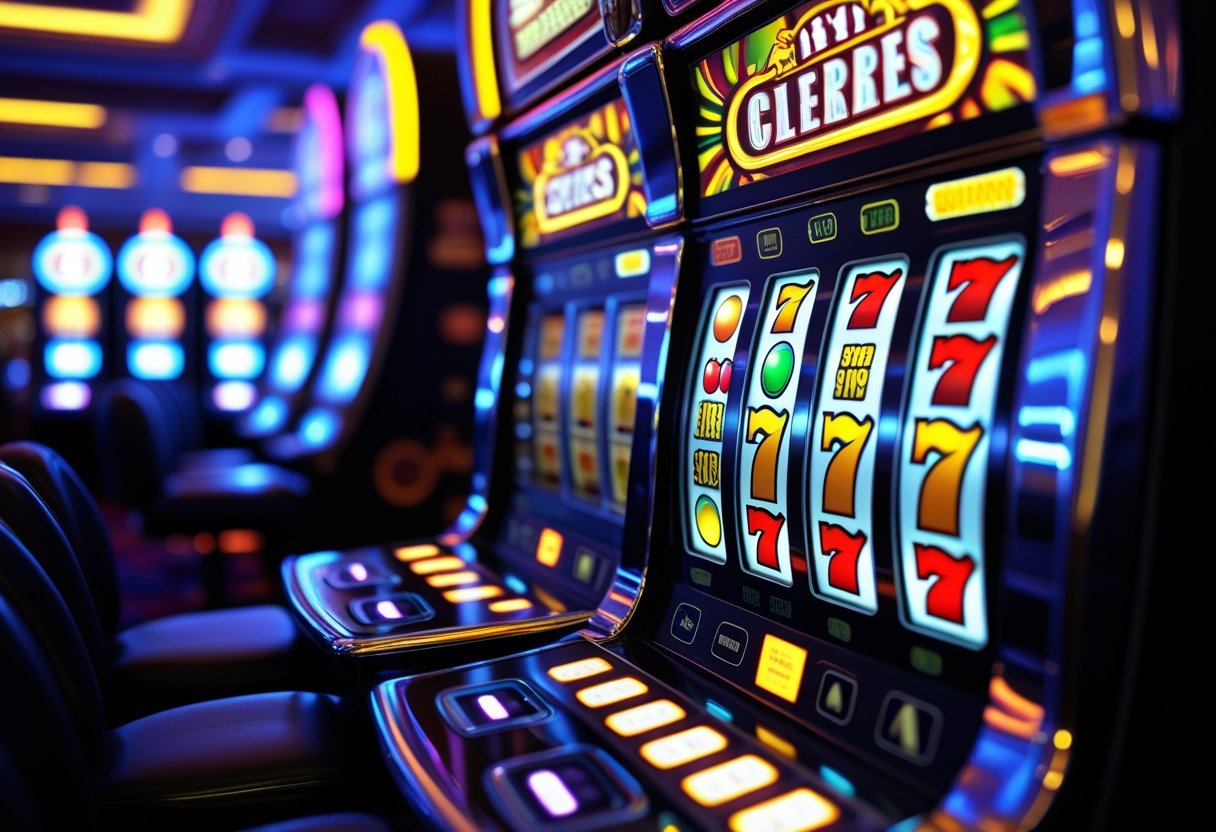
When players lose several spins in a row, suspicion grows that slot machines are rigged against them. The reality is more nuanced than a simple yes or no answer. Licensed slot machines operate through tested algorithms with built-in mathematical advantages for casinos, but this doesn’t mean they’re illegally manipulated.
Why People Believe Slots Are Rigged
Losing streaks fuel the strongest suspicions about rigged slot machines. When you watch your balance drain over ten, twenty, or fifty spins without a significant win, it feels intentional. Your brain searches for patterns and explanations, even when randomness is the actual cause.
The near-miss effect makes things worse. You see two matching symbols land perfectly, then the third one stops just above or below the payline. It feels deliberate, like the machine is teasing you. These near-misses trigger the same reward centers in your brain as actual wins, which keeps you playing despite the losses.
Confirmation bias plays a major role too. You remember the losing sessions vividly while forgetting or downplaying the wins. When someone at the next machine hits a jackpot right after you leave, it reinforces the belief that timing matters or that the casino controls who wins.
The truth is simpler and less dramatic. Slot outcomes use random number generators that produce results based on probability, not manipulation.
The Role of the Casino House Edge
Every slot machine includes a house edge, which is the mathematical advantage casinos have over players. This isn’t rigging. It’s transparent business math that’s disclosed through the Return to Player (RTP) percentage.
A slot with 96% RTP returns $96 for every $100 wagered over millions of spins. The remaining 4% is the house edge. This edge ensures casinos profit over time while still paying out wins to individual players.
The house edge works through volume and time, not by blocking your wins. You might win big in a single session. Someone else might lose their entire budget. Over thousands of players and millions of spins, the math balances in the casino’s favor.
Licensed casinos don’t need to rig anything. The house edge already guarantees profit. Rigging games would risk their licenses, reputation, and legal standing for minimal extra gain.
Debunking Common Slot Machine Myths
Myth: Machines are “due” to pay out. Slot machines don’t have memory. Each spin is independent, generated by algorithms that don’t track previous results. A machine that hasn’t paid out in hours has the same odds on the next spin as one that just hit a jackpot.
Myth: Casinos tighten slots during busy times. Casinos can’t adjust individual machines on the fly. Any changes to RTP or volatility require developer intervention, regulatory testing, and recertification. The RTP you see in the game information is what you get.
Myth: Using a player’s card reduces your odds. Your loyalty card tracks play for rewards, nothing more. It has zero connection to the random number generator. The machine doesn’t know or care whether you’re using a card.
Myth: Temperature of coins affects outcomes. This myth comes from mechanical slot machines. Modern slots use digital systems where physical coins don’t exist. Temperature, timing, and button-pressing speed have no impact on results.
How Slot Machines Work

Slot machines use a computer program called a Random Number Generator to pick symbols on each spin, while paylines determine whether those symbols create a winning combination. The way these systems function differs significantly between older physical machines and today’s digital versions.
Role of Paylines in Determining Outcomes
A payline is a specific pattern across the reels where matching symbols must land for you to win. Traditional slot machines featured a single horizontal line across the middle of the reels. Modern slots can have anywhere from 10 to 100 or more paylines running in different directions.
When you spin the reels, the RNG selects random symbols for each position. The machine then checks all active paylines to see if winning symbol combinations appear. You only win when matching symbols line up on a payline you’ve bet on.
Common payline patterns include:
- Horizontal lines across the reels
- Diagonal lines from corner to corner
- Zigzag patterns moving up and down
- V-shaped or W-shaped configurations
More paylines give you more chances to win on each spin. However, betting on additional paylines costs more money per spin.
Differences Between Physical and Modern Slot Machines
Physical slot machines used mechanical reels with actual symbols painted on spinning wheels. These machines had limited symbols per reel and fewer possible combinations. The physical weight and space of the reels restricted how many symbols could fit.
Modern slot machines use video screens instead of mechanical parts. The reels you see are just animations controlled by computer software. This allows for hundreds of virtual stops on each reel, creating millions of possible combinations.
Digital slots also offer features impossible with physical machines. You get bonus rounds, animated graphics, and complex multi-level games. The RNG in modern machines generates thousands of number sequences per second, even when no one is playing.
Understanding Randomness: RNG and Fairness in Slots
Every spin on a slot machine is controlled by software that generates random outcomes in milliseconds. This technology makes it impossible for casinos to rig individual spins, and independent testing labs verify that the systems work correctly.
What Is a Random Number Generator (RNG)?
A Random Number Generator is software that creates thousands of number sequences every second, even when nobody is playing. The RNG picks a number the instant you press the spin button. That number decides where the reels will stop.
The system runs continuously at high speed. It generates numbers between one and several billion depending on how the game is programmed. Each number connects to a specific combination of symbols on the reels.
Your timing when you hit spin determines the outcome. If you pressed the button one millisecond earlier or later, you would get a completely different result. This makes it impossible for you or the casino to predict what will happen next.
How RNGs Ensure Fair Play
Licensed casinos must submit their RNG systems to independent testing before games go live. Organizations like eCOGRA, iTech Labs, and GLI (Gaming Laboratories International) run these tests.
These labs perform millions of simulated spins to verify true randomness. They check that:
- Each spin is independent from previous spins
- All possible outcomes appear at expected rates
- The stated RTP (return to player) percentage is accurate
- No patterns exist that players or casinos can exploit
Testing agencies issue certificates only after games pass strict statistical analysis. Regulators require casinos to display these certifications and maintain them through regular audits.
Pseudo-Random vs True Random in Slot Games
Slot machines use pseudo-random number generators, not true random generators. A pseudo-RNG uses complex math formulas called algorithms to create number sequences that appear random. These algorithms start with a “seed” number and perform calculations to generate results.
True random generators rely on physical processes like atmospheric noise or radioactive decay. While these produce genuine randomness, they’re impractical for gaming software. Pseudo-RNGs work faster and allow for the testing and verification that regulators require.
The difference doesn’t affect fairness. Modern pseudo-RNG algorithms are so advanced that their output is statistically identical to true randomness. The sequences have no detectable patterns across billions of results.
RTP, House Edge, and Slot Volatility Explained
Slot machines use specific math principles to determine your chances of winning. RTP shows how much money returns to players over time, house edge reveals the casino’s built-in advantage, and volatility affects how often you win and how big those wins are.
What Is Return to Player (RTP)?
RTP is the percentage of all money wagered on a slot machine that gets paid back to players over time. A slot with 96% RTP will return $96 for every $100 wagered in the long run, though this happens across thousands or millions of spins.
You can find RTP information in the game’s help screens, paytables, or rules section. Most online slots have RTPs between 92% and 98%. The house edge is simply the opposite of RTP – if a game has 96% RTP, the house edge is 4%.
Higher RTP games give you better long-term value. A 97% RTP slot is mathematically better than a 94% RTP slot. This doesn’t guarantee you’ll win on any given session, but it means the game returns more money to players overall.
The Impact of Slot Machine Volatility
Volatility measures how often a slot pays out and how large those payouts are. Low volatility slots pay smaller amounts frequently, which helps your bankroll last longer. High volatility slots rarely pay but offer bigger wins when they do.
You can identify volatility by checking the paytable. If the top prize is 1,000x your bet or higher, you’re likely playing a high volatility game. Games with maximum wins under 500x are usually low volatility.
Medium volatility slots balance these two extremes with moderate wins at reasonable frequencies. Your choice depends on your bankroll size and playing style. High volatility requires more money to weather losing streaks.
RTP Rates and What They Mean for Players
Different slot machines offer different RTP rates, typically ranging from 92% to 98% in online casinos. Land-based casinos often have slightly lower rates, sometimes between 85% and 95%.
A 2% difference in RTP matters more than you might think. Over 10,000 spins at $1 per spin, a 94% RTP game returns $9,400 while a 96% RTP game returns $9,600. That’s a $200 difference.
RTP works over millions of spins, not short gaming sessions. You might win big on a low RTP slot or lose quickly on a high RTP slot during any single session. The percentages only become accurate across extremely large sample sizes that individual players never reach.
Slot Machine Regulation and Licensing
Legitimate slot machines operate under strict regulatory oversight that protects players through testing requirements, licensing standards, and regular audits. The difference between regulated and unlicensed casinos can determine whether you’re playing fair games or risking your money on unverified software.
Regulated vs Unlicensed Casinos
Regulated casinos operate under government-issued licenses that require them to follow specific rules about game fairness, payout percentages, and player protection. These casinos submit their slot machines for independent testing before they can offer them to players. If they break the rules, they face fines, license suspension, or complete shutdown.
Unlicensed casinos operate without government oversight. They don’t answer to any regulatory body, which means there’s no one checking if their games are fair. These sites often appear legitimate with professional designs and popular game titles, but they can modify software, refuse withdrawals, or disappear overnight. You have no legal protection if something goes wrong.
The main difference comes down to accountability. Licensed casinos risk losing their entire business if they cheat players. Unlicensed operators face no real consequences.
Notable Regulatory Bodies and Testing Agencies
Several organizations ensure slot machines meet fairness standards. The UK Gambling Commission maintains some of the strictest regulations in the world and requires extensive testing before approving any casino or game. The Malta Gaming Authority (MGA) oversees many European online casinos and enforces detailed technical standards for slot software.
Curaçao eGaming offers a more affordable licensing option that many online casinos use. While less strict than the UK or Malta licenses, it still provides basic player protections.
Testing agencies verify that slot machines work as advertised. eCOGRA tests games for randomness and checks that stated RTP percentages match actual performance. iTech Labs and GLI (Gaming Laboratories International) conduct similar testing and certify games for regulated markets worldwide. When you see these agency seals on a casino site, it means the games passed independent fairness tests.
How to Identify a Licensed Casino
Check the bottom of any casino website for licensing information. Licensed casinos display their license number and the name of their regulatory body. Most include a clickable link that takes you to the regulator’s official verification page where you can confirm the license is real and active.
Look for the testing agency logos. Legitimate casinos show certifications from eCOGRA, iTech Labs, or GLI. You can usually click these logos to verify the certification directly on the testing agency’s website.
Be suspicious of casinos that hide their licensing details or show generic “certified” badges without links. Real licenses include specific numbers and expiration dates. If you can’t find clear licensing information within 30 seconds of looking, don’t deposit money there.
Main Differences: Online vs Physical Slot Machines
Online and physical slots both use Random Number Generators to determine outcomes, but they differ in how they’re built, regulated, and accessed. Online slots run on software that you play through your computer or phone, while physical machines sit on casino floors with actual buttons and screens.
How Online Slots Operate
Online slots work through software programs hosted on casino servers. When you click the spin button, the RNG generates a random number that decides where the reels stop. This happens in milliseconds.
The software gets tested by independent labs before any licensed online casino can offer it to players. These tests verify that the RNG works correctly and that the game pays out at its stated rate. The entire process happens digitally, with no physical parts involved.
Online slots can update their games instantly through software patches. Casinos don’t need to physically change anything on a machine. Your bets and wins get tracked through your account balance, which updates automatically after each spin.
Real money slots online must display their RTP percentages and game rules. Most licensed platforms show this information in the game’s help section. You can verify a game’s fairness by checking if the casino holds proper licensing from recognized gambling authorities.
Advantages and Risks of Online Slots
Online slots offer convenience since you can play from anywhere with internet access. You’ll find thousands of games at licensed online casinos, far more than any physical casino floor can hold. Many platforms also offer free play modes so you can test games without risking money.
The main risk comes from unlicensed operators. Some websites operate without proper regulation and may use rigged software. You should only play at casinos licensed by authorities like the UK Gambling Commission or Malta Gaming Authority.
Online platforms typically offer higher RTPs than physical machines. Land-based casinos have overhead costs that online operators don’t face. This means real money slots online often return more to players over time, though individual sessions still vary based on luck.
Popular Game Developers and Fairness Auditing
Major slot developers partner with independent testing labs to verify their games meet fairness standards. These companies build their reputations on transparency and regular third-party audits.
Overview of Leading Slot Providers
NetEnt has operated since 1996 and maintains licenses in multiple jurisdictions. The company submits all games for certification before release. Microgaming started in 1994 as one of the first online casino software providers. They developed the first true online casino software and continue to test every game through independent labs.
Pragmatic Play produces over 200 slot titles and holds licenses from major gambling authorities. Their games undergo testing for RNG fairness and mathematical accuracy. Playtech operates across regulated markets and maintains strict compliance standards. The company works with testing agencies to verify game outcomes.
These developers stake their business on fair play. They know that rigged games would destroy their licenses and partnerships with legitimate casinos. Each provider uses certified RNG software that generates billions of number combinations per second.
The Role of Third-Party Testing Labs
eCOGRA (eCommerce Online Gaming Regulation and Assurance) tests slot machines for fairness and awards seals to compliant casinos. They check RNG performance, game mathematics, and payout percentages. iTech Labs operates testing facilities across multiple countries and certifies gaming software against international standards.
These labs run millions of game rounds to verify that results match statistical expectations. They examine source code to confirm proper RNG implementation. Labs also test whether casinos can manipulate outcomes after games receive certification.
Testing happens before game launch and continues through random audits. Labs publish certificates that you can verify on their websites. Licensed casinos must display these certifications and submit to regular compliance checks.
Bonuses, Free Spins, and Wagering Requirements
Casino bonuses and promotions don’t change how slot RNGs work, but they do come with conditions that affect when and how you can access your winnings. Wagering requirements determine how much you need to bet before withdrawing bonus funds.
How Bonuses Affect Gameplay Fairness
Bonuses don’t alter the fairness of slot machines themselves. The RNG operates the same way whether you’re playing with bonus money or your own funds. Licensed casinos can’t adjust RTP or change outcomes based on what type of money you’re using.
Some players believe slots “tighten up” during bonus play. This isn’t true. What actually happens is that you’re required to meet specific conditions before cashing out.
Free spins triggered within a slot game work differently than promotional free spins. In-game free spins are part of the base game feature and aren’t subject to wagering requirements. These spins give you extra chances to win without using additional funds.
Promotional free spins from casino bonuses typically come with terms attached. The wins from these spins often count as bonus money, which means wagering requirements apply before you can withdraw.
Understanding Wagering Requirements
Wagering requirements tell you how many times you must bet your bonus amount before you can withdraw winnings. A 30x requirement on a $100 bonus means you need to wager $3,000 total.
These requirements exist to prevent bonus abuse, not to rig the games. They’re a business protection measure for casinos.
Common wagering requirement ranges:
- Low: 10x-20x
- Standard: 30x-40x
- High: 50x or more
Different games contribute different percentages toward meeting these requirements. Slots usually contribute 100%, while table games might contribute 10% or nothing at all. Always check the bonus terms before accepting any offer. The requirements should be clearly stated in the promotion details.
Responsible Gambling and Player Protection
Licensed casinos must provide tools to help you control your gambling habits, and understanding what fair play looks like protects you from potential exploitation.
Why Responsible Gaming Matters
Responsible gambling tools give you control over your time and money spent playing slots. Licensed casinos must offer features like deposit limits, loss limits, and session time reminders. These aren’t just suggestions – regulatory bodies like the UK Gambling Commission and Malta Gaming Authority require operators to implement them.
Self-exclusion programs let you block yourself from a casino for a set period, ranging from days to years. Many jurisdictions also maintain shared exclusion databases that work across multiple operators.
Key protective features you should look for:
- Deposit limits (daily, weekly, or monthly caps)
- Reality checks (pop-up reminders showing time and money spent)
- Cool-off periods (temporary breaks from 24 hours to 6 weeks)
- Account history access (detailed records of all your bets and outcomes)
These tools work because they interrupt patterns before they become problems. Setting a $50 weekly deposit limit removes the temptation to chase losses beyond your budget.
Recognizing Signs of Unfair Play
You can spot unlicensed or rigged casinos by checking for specific red flags. Missing license information in the footer is your first warning sign. Legitimate operators display their license number and regulatory authority prominently.
Other warning signs include unclear or missing RTP information, games from unknown software providers, and delayed or refused withdrawals. If a casino makes it difficult to access your account history or game results, that’s suspicious.
Check these details before playing:
- Valid license from recognized authorities (UKGC, MGA, Curacao)
- Games from established providers (NetEnt, Microgaming, Playtech)
- Clear terms and conditions without hidden clauses
- Responsive customer support that answers questions about fairness
Trust your instincts. If something feels off about how games behave or how the casino operates, stop playing and research the operator’s reputation.
Frequently Asked Questions
Slot machines operate on mathematical principles and regulated systems that determine outcomes. Understanding how these games work helps clear up common questions about payouts, fairness, and casino operations.
What determines whether a slot machine will pay out?
A random number generator (RNG) determines every slot machine outcome. This computer program runs constantly, producing thousands of number combinations every second. When you press the spin button, the RNG stops at a specific combination that determines your result.
The machine’s return to player (RTP) percentage affects long-term payouts across thousands of spins. An RTP of 92% means the machine returns $92 for every $100 wagered on average over time. Individual spins remain completely random regardless of the RTP setting.
Previous spins do not influence future results. Each spin is an independent event with the same odds as the last one.
How can you tell if a slot machine is due to hit?
You cannot predict when a slot machine will pay out. The belief that machines become “due” after a losing streak is a myth.
Random number generators ensure each spin has no connection to previous results. A machine that just paid a jackpot has the same chance of hitting again on the next spin. The RNG does not track wins or losses or adjust based on recent history.
Hot and cold machine theories lack any basis in how slots actually function. Your odds remain constant on every single spin.
Do online casinos manipulate slot machine outcomes?
Licensed online casinos cannot manipulate slot outcomes. Regulatory agencies require independent testing of all games before approval. Third-party testing labs verify that RNG systems work properly and produce truly random results.
Gaming commissions monitor casino revenue and perform regular audits. Any unusual patterns in payouts trigger investigations and inspections of the software. Casinos caught rigging games face heavy fines, license revocation, and criminal charges.
The casino already profits from the built-in house edge. Manipulating outcomes would risk their entire business for minimal additional gain.
What role does luck versus skill play in winning at slot machines?
Slot machines are purely luck-based games. No skill or strategy can influence the outcome of any spin.
You cannot time your button presses, study patterns, or use betting systems to improve your odds. The RNG determines results before the reels even stop spinning. Everything you see on screen is just visual presentation of an already-decided outcome.
Your only real decisions involve choosing games with higher RTP percentages and managing your budget. These choices affect your overall experience but not individual spin results.
Are there any legal requirements for slot machine randomness?
Gaming regulations require all slot machines to use certified random number generators. State and tribal gaming commissions set minimum standards for RNG testing and certification. Independent testing laboratories must verify that games meet these requirements before casinos can install them.
Most jurisdictions mandate minimum RTP percentages that casinos cannot go below. Nevada requires different minimums based on denomination, while other states set their own standards. Some regions publish monthly RTP data by casino and denomination.
Regulatory agencies inspect machines and review their software regularly. Casinos must document any changes to game settings or software updates.
How do casinos ensure the fairness of their slot machines?
Casinos purchase games from licensed manufacturers who must meet strict regulatory standards. The gaming commission tests and approves each game model before it reaches the casino floor. Manufacturers cannot alter approved games without going through the certification process again.
Casino operators face constant monitoring from regulatory agencies. Gaming commission staff have access to slot machine data and can inspect any machine at any time. Monthly revenue reports help regulators identify unusual patterns that might indicate problems.
Third-party testing companies conduct ongoing audits of casino systems. These independent firms verify that RNG software continues working correctly and that casinos maintain proper game settings. Your jurisdiction’s gaming commission website typically lists approved testing labs and their certification standards.